Discover Naguabo, Puerto Rico: History, Culture, and Coastal Charm
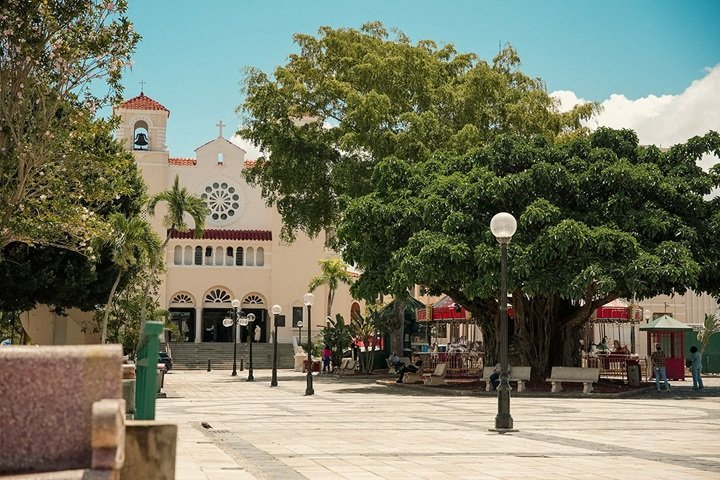
Located on Puerto Rico’s beautiful eastern coast, Naguabo is a town where history, faith, natural beauty, and island traditions come together. Known affectionately as “El Pueblo de los Enchumbaos” and recognized as a birthplace of talented artists, Naguabo offers visitors a glimpse into the island’s rich heritage. From its historic town square to its scenic waterfront and traditional seafood restaurants, this welcoming municipality is well worth exploring.
Founding and Early History
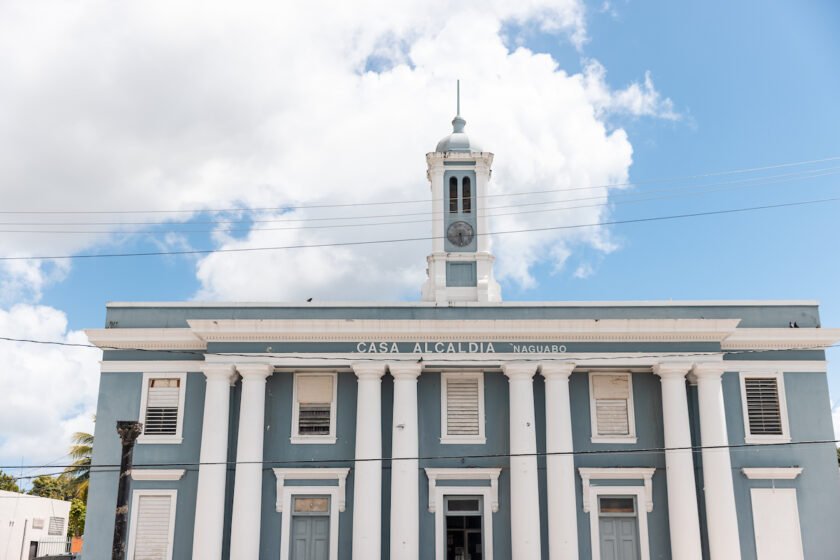
Naguabo’s history reaches back to the island’s Indigenous Taíno communities, who inhabited the region long before Spanish colonization. The area was associated with the Indigenous chiefdom of Daguao, and its coastal location and access to freshwater made it an important part of eastern Puerto Rico.
The settlement’s development began in the late eighteenth century. Naguabo was initially established in 1794, in an area known as Pueblo Viejo, near Daguao. The community later developed into the municipality recognized as officially founded on July 15, 1821. These dates reflect different stages in the town’s establishment rather than a single founding event.
Spanish colonial authorities encouraged the settlement of eastern Puerto Rico for strategic and economic reasons. Agriculture, livestock raising, and coastal commerce helped shape the developing community. The region also experienced the hardships of colonial rule, including slavery and struggles for freedom, which remain part of Naguabo’s historical identity.
Although the founding is associated with local residents’ efforts to establish a recognized settlement, a single individual is not consistently identified in historical accounts as the town’s sole founder. Its development was a community undertaking shaped by residents, agricultural landowners, and Spanish colonial authorities.
Town Colors and Symbols
Naguabo’s civic identity is represented by its flag and coat of arms. The municipality’s heraldic symbolism reflects its coastal geography, agricultural history, and the struggle for liberty.
The coat of arms features silver waves representing the surrounding sea, along with broken chains associated with freedom and resistance to oppression. Machetes recall the region’s agricultural past and historical struggles, while golden palm imagery represents the wealth of its plantations. The red elements symbolize courage and sacrifice.
These symbols connect Naguabo’s landscape with the experiences of the people who helped shape its history. For visitors interested in Puerto Rican municipal heraldry, Naguabo provides a particularly meaningful example of how local emblems preserve collective memory.
Parroquia Nuestra Señora del Rosario
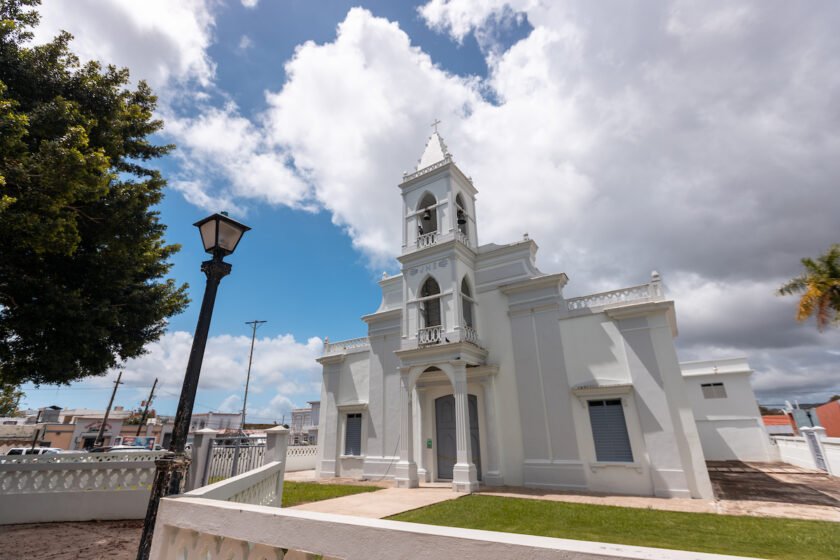
One of Naguabo’s most significant landmarks is Parroquia Nuestra Señora del Rosario, the Catholic parish church dedicated to Our Lady of the Rosary, the town’s patroness.
The parish’s origins date to the late eighteenth century, when a modest chapel served the growing settlement. The present historic church was constructed between 1853 and 1856, with subsequent modifications, including work on its façade by engineer Mariano Bosch in 1858. Later alterations helped shape the building visitors see today.
Situated beside the central public plaza, the church is one of the town’s oldest and most important architectural landmarks. Its historic masonry, traditional design, and prominent position reflect the longstanding relationship between Catholic faith and Puerto Rican community life.
For generations, the parish has served as a place for worship, religious celebrations, and community gatherings. Its dedication is also reflected in the town’s annual patronal festivities, which bring together religious traditions, music, food, and local culture.
Sites of Interest in Naguabo
Visitors can begin their exploration at Plaza de Recreo Luis Muñoz Rivera, the town’s central square. Surrounded by important civic and religious buildings, the plaza provides a pleasant setting to experience everyday life, meet local residents, and appreciate Naguabo’s historic center.
Nearby, the Teatro Ramón del Rivero “Diplo” celebrates the town’s cultural heritage. The theater has hosted performances and community events and honors the beloved Puerto Rican comedian Ramón Rivero, known as Diplo.
Art and music lovers can also seek out monuments honoring Pedro Flores, the celebrated Puerto Rican composer, and other figures connected with Naguabo’s artistic traditions.
For a change of scenery, head toward El Malecón in the Húcares waterfront area. This popular destination is known for its coastal atmosphere and seafood establishments, where visitors can enjoy fresh local flavors and views of the water. The surrounding coastline also offers opportunities to appreciate the natural beauty of eastern Puerto Rico.
Experience the Spirit of Naguabo
Naguabo is more than a coastal destination. It is a community whose story encompasses Indigenous heritage, colonial history, religious devotion, agricultural traditions, and artistic achievement. From the historic Parroquia Nuestra Señora del Rosario to the lively central plaza and inviting waterfront, the town offers many ways to connect with Puerto Rico’s past and present.
Whether exploring its landmarks, enjoying a seafood meal by the sea, or attending a local celebration, visitors will discover a town proud of its heritage and welcoming to those who come to experience it.
More Photos

 85°F
85°F
- Temperature
- Precipitation
- Rain Chance
- Wind
- Humidity
- Pressure